A practical guide to checking accommodation details, offers and casino facilities rather than relying on labels or assumptions.
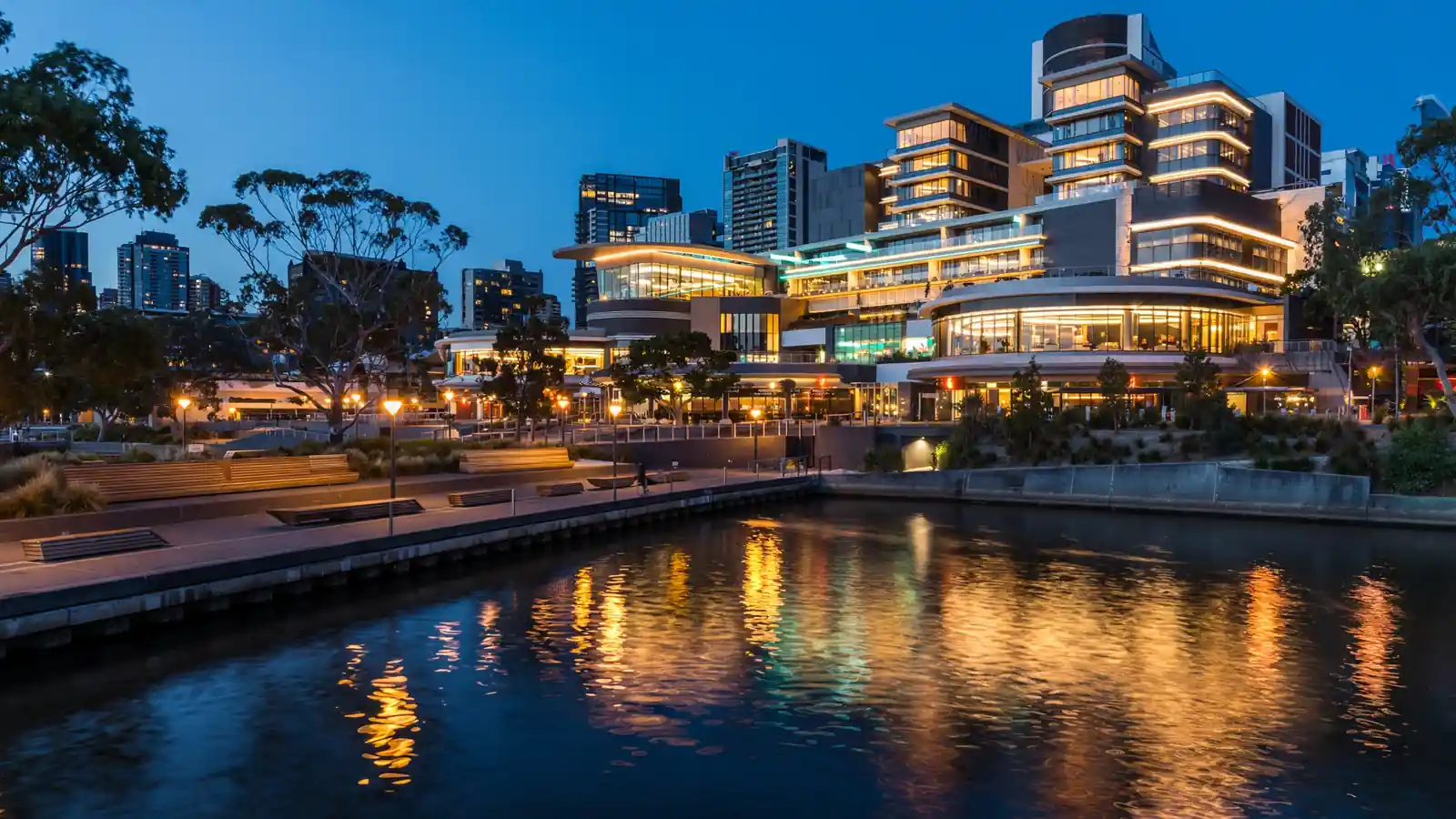
A hotel linked in your mind with a casino is not automatically a hotel with confirmed rooms, a current offer or a particular set of facilities. Before you commit, separate the two decisions: where you will sleep, and what you expect from the casino. I’ve learned that letting one appealing label stand in for both is how assumptions creep into a booking.
For a Melbourne casino hotel, start with the property’s own booking information. Confirm the exact hotel name and address, the dates covered, the room category and what the quoted price includes. A page or advert that says “casino hotel deal” can sound like a ready-made package; in plain terms, it may simply be a room offer, and the conditions matter. Read the details attached to the specific dates you want rather than relying on a headline or an old offer you found elsewhere.
Room descriptions deserve the same care. Check what the property says about the room you are selecting, not what another traveller says about a different category or date. If a feature matters to you, such as the bed arrangement or accessibility, look for it in the booking details and ask the hotel to confirm it before paying. A photograph is not a promise that every room is laid out the same way. Small print, big difference.
Choosing a casino to play from Melbourne calls for checking the details that matter to you, such as licensing information and available payment terms. Use this list as a starting point for your own checks before deciding.
DragonSlots Casino
DragonSlots is listed with a Curacao Gaming Authority licence held by Jumpman Gaming Ltd. That licensing detail is the main point to consider when reviewing it.
Playfina Casino
Playfina is listed as operating under a Curacao eGaming licence held by Hollycorn N.V. since 2017. Its minimum deposit is A$20–30, depending on the offer.
7Bit Casino
7Bit is listed as a Curacao-licensed casino operated by Dama N.V. Those are the available details to use when considering it.
Roby Casino
Roby is listed with a Curacao eGaming licence held by Roby Games Ltd. The licence and operator are the stated details to check.
SpinsUp
SpinsUp is listed under Curacao Gaming Control Board OGL/2023/174/0082, with Dama N.V. as the operator. You can use those details as a starting point for your review.
Neospin
Neospin is listed under Curacao Gaming Control Board OGL/2023/176/0095, with Hollycorn N.V. as the operator. Those are the available identifying details for your consideration.
Ricky Casino
Ricky Casino lists crypto payouts in under an hour and PayID payouts in 1–3 business days. The minimum deposit is A$20, or A$30 to qualify for the bonus.
Kingmaker
Kingmaker lists crypto payouts at around 90 minutes and fiat payouts in 1–5 days. Its minimum deposit is A$30.
SkyCrown
SkyCrown is listed with a Tobique Gaming Commission licence. Its stated payout times are around 10–15 minutes for crypto and 1–5 days for fiat, with a minimum deposit of A$30.
House of Pokies
House of Pokies lists an international iGaming licence, though the jurisdiction is not named in the source. PayID payouts are stated as 1–24 hours; the minimum deposit is A$30, or A$10 when using PayID.
Pay particular attention to the price conditions. Look for the total cost presented at checkout, the payment schedule, cancellation terms and any restrictions attached to the rate. If you cannot tell whether a charge is included, ask before booking and keep the written response. “Special” is a sales word, not an explanation of what you receive. I’d rather spend a minute clarifying a condition than discover later that I had read more into the offer than it said.
Also check that you are booking the hotel itself, not a third-party listing that uses casino-related wording to attract attention. Make sure the property name on the payment page matches the property you intended to reserve. Save the confirmation and the terms that applied when you booked. If a detail changes or a question comes up, you have something concrete to refer back to.
A hotel reservation does not, by itself, confirm access to any casino facility or establish what will be open during your visit. Treat the lodging and casino information as separate pieces, and confirm each through the relevant official channel. If casino opening times affect your plans, check those directly rather than assuming they follow hotel check-in or reception hours. That distinction is easy to miss when the two are presented together.
 Perth Casino: Hotels, Events and Details to VerifyLearn why hotel listings do not confirm a casino connection or booking inclusions, and what to verify about events, access, dress codes…
 Best Pokies in Geelong: Venue Hours and SearchesLearn how to check a venue’s current status against official channels and map listings, what “best-paying” means, and where local searches can…
When comparing Melbourne casino hotels, resist the urge to choose on the phrase “near the casino” alone. First establish which property the listing describes and where it is; then decide whether that location suits your plans. Similar wording can refer to different businesses or booking pages. If the listing is vague about the property, the room or the conditions, that is a reason to pause—not a reason to fill in the blanks yourself.
The same goes for a supposed hotel deal. Compare the terms, not just the promotional label, and make sure the dates and room category match your needs. Offers can be conditional, and a lower displayed price is not useful if the conditions do not work for you. I’ve made the mistake of treating a headline as the whole offer. It isn’t.
Before paying, take one last look at the property name, dates, room selection, total shown and cancellation terms. Keep the confirmation somewhere you can find it. A casino-themed stay can sound like one simple booking; it is still a hotel reservation with details worth checking. No guesswork needed.
A search for poker at a Melbourne casino can mean two different things: a table-poker room with live games and tournaments, or a venue with Electronic Gaming Machines (EGMs), often called pokies in Australia. They are not interchangeable. A poker tournament involves players competing against one another; pokies are gambling machines. I’d want that distinction clear before relying on a page or a venue listing.
Electronic Gaming Machines (EGMs), which are commonly referred to as pokies in Australia.
I can’t confirm whether a Melbourne casino currently has a dedicated poker room, runs tournaments, or offers particular games. Those details can change, and a general casino description is not proof of a current poker schedule. Before making plans, look for information published directly by the venue and check that it refers to the exact date and event you have in mind. If the listing is vague, contact the venue rather than treating an old result as a booking confirmation. Less guesswork.
“Poker room” can also be used loosely online, so check what the listing actually describes. Does it name a live poker event, or is it talking about pokies? Does it give a current schedule, or simply mention poker as a broad category? If you are after a tournament, useful details include the event format, registration arrangements and whether places are available; none should be assumed from the word “tournament” alone. I wouldn’t travel on the strength of a stale listing.
The NSW information is a separate matter, not evidence about Melbourne poker facilities. Club Liverpool has the largest number of operational poker machines among clubs in NSW. That fact concerns machines at a club in another state; it does not establish anything about a Melbourne casino’s poker tables, tournament programme, or room availability. Similar words, different question.
NSW also has rules specifically relevant to poker-machine gambling. The legal age to gamble on poker machines there is 18, and venues are required to check identification for this activity. Anyone considering machine play should be prepared to show ID and should not try to get around an age check; non-compliance can have legal consequences. Those NSW rules should not be casually presented as the rules for a Melbourne venue.
Another NSW measure is mandatory pre-commitment: players set a loss limit before playing poker machines. That is a feature of the NSW context, not a description of a Melbourne poker tournament. A loss limit is a boundary for machine play, not a promise about what a session will cost or return. I’ve learned not to treat a limit as a reason to keep playing until I reach it. Stop when you said you would.
For Melbourne, keep the practical check narrow: confirm that the poker facility or event exists, that its details are current, and that it is the kind of poker you mean. A listing for pokies does not answer a question about a live poker room. A mention of tournaments does not confirm a tournament is running today. If all you find is a generic casino page, it has not settled the question.
When I’m planning a casino visit, I try to separate the practical questions from the online-gambling ones. Parking, food and bingo are venue details; they need current confirmation before you set off. “Free parking” can sound like a useful promise, but without confirmed terms it is not something I’d build a trip around.
For a Melbourne casino visit, check the venue’s own current information for parking access, fees, restrictions and any valet service. Don’t assume valet parking is operating, that a particular car park is available, or that parking is free because an old listing or comment says so. If you’re driving, confirm the details close to your visit and allow for the possibility that conditions have changed. A little checking beats arriving with the wrong plan.
The same goes for dining. Casino dining in Melbourne can mean anything from a quick meal to a booked restaurant, but a name in a directory is not proof that a venue is open or serving the menu you expect. Check current menus, hours and booking requirements directly with the relevant venue. I’ve learned not to treat an old listing as a promise. That’s an easy mistake.
If you’re looking for bingo, confirm directly whether a session is actually scheduled and what entry arrangements apply. A general mention of bingo does not establish that it is available at a particular venue or on the day you plan to go. Keep the visit plan flexible until you have current details.
There is a separate legal issue behind searches for a Melbourne online casino. Under the Interactive Gambling Act 2001, operators based in Australia cannot provide real-money online casino games to people in Australia. That includes online pokies, blackjack and roulette. This is not the same as visiting a physical casino: an online service is subject to a different legal framework.
Offshore sites are not regulated under Australian law, even where an Australian player may technically access one. That distinction is important; it should not be read as a recommendation or as evidence that an offshore operator is approved here. Australian law prohibits operators from supplying these casino services to people in the country.
I wouldn’t treat a polished website, a bonus banner or the word “licensed” as proof that an online casino is lawful for Australians. Nor would I assume that a site appearing in a search result is a safe or locally regulated option. The legal responsibility to comply with the Interactive Gambling Act rests on operators, but that does not turn offshore play into a regulated Australian service.
So if you meant a physical casino in Melbourne, focus on current venue information for travel and food. If you meant gambling online, be clear about the legal distinction before acting. They are not interchangeable plans. Check first.
“Near the casino” sounds simple until you are comparing places on a map. A listing may use the phrase to describe a short walk, a quick ride or simply a stay in the same part of Melbourne. Those are very different plans when you have luggage, a late finish or someone travelling with you who would rather not walk far.
Attention A straight line on a map can be misleading; always check actual entrances, road layouts, and specific routes to the casino.
I’ve learned not to book on the strength of a label. Check the property’s actual address, then look at the route you would use at the time you expect to travel. A straight line on a map can be misleading: entrances, crossings, road layouts and the route to the casino itself all matter. Read the directions as well as the distance. Small detail. Big difference.
Before paying, compare the total price for your dates and the conditions attached to the booking. Check whether the amount shown includes taxes and fees, when payment is taken, and what happens if you need to change or cancel. A low headline price can look less attractive once you reach the final booking screen.
Availability and rates depend on the dates you choose, so check the property’s own booking details before making plans around a particular room. If a third-party listing and the property’s page show different terms, get the conditions clarified before you commit. Save the confirmation and the address somewhere you can access while travelling.
I’d also check the arrival arrangements rather than assuming you can walk straight in at any hour. Confirm how to access the property, where to collect keys if relevant, and whom to contact if your arrival is delayed. That is not glamorous planning, but it beats standing outside with a dead phone.
If you are driving, check the route and parking arrangements for both the accommodation and the casino separately. A nearby stay does not automatically mean parking is included, available or suitable for your vehicle. If you plan to use public transport or a taxi, check the journey from the property’s exact address and consider how you will get back at the end of the evening.
The casino’s location matters for more than the outward trip. Think about the return journey, your check-in time and whether you will need to leave bags somewhere before the room is ready. Verify practical details with the accommodation provider and the venue rather than relying on an old listing or a booking-site summary.
Promotions deserve the same scrutiny as room prices. Read what dates and booking conditions apply, and compare the final cost with a standard rate. “Deal” is a sales word; the terms decide whether it is useful. Don’t treat a casino promotion as part of an accommodation offer unless the booking details explicitly say so.
For accommodation near a Melbourne casino, the sensible choice is the one that fits your dates, route and budget—not the one with the closest-sounding description. Check the address, total price and booking conditions before you pay. Then keep the confirmation handy. Less guesswork.
A phone number copied from an old listing can be more trouble than it looks. Venue details change, and search results can keep outdated contact information around. When you need to call a Melbourne casino, start from the venue’s official website and use the contact details published there. If a directory or map shows a different number, don’t assume it is current just because it appears prominently.
When contacting a Melbourne casino, start from the official website to ensure you have the most current phone number, as search results may be outdated.
The same applies when you need directions inside a large venue. A map pin may show the general site without helping you find the entrance, a bar or the event space you actually need. Check the venue’s own map and directions before setting off, and confirm that the information matches the part of the property you plan to visit. I’ve learned not to treat a map result as a promise of where I’ll end up. Small detail. Big difference.
A listing for a casino bar can tell you that a place exists without telling you whether it is open when you arrive, what the current entry arrangements are, or whether it suits the kind of visit you have in mind. Check the venue’s own current information, especially if you are planning around a particular evening. Don’t rely on a photo or an old review to establish today’s details.
If you are looking for baccarat or craps, check the venue directly rather than assuming those games are available because you found a casino-related page. Game availability and operating arrangements are details to confirm with the venue. A general description is not the same as a current schedule, and a mention elsewhere online may refer to a different property.
Also keep the distinction between a physical venue and online gambling clear. Under Australia’s Interactive Gambling Act 2001, operators cannot provide real-money online casino games, including table games, to people in Australia. That is a separate issue from asking a venue about its on-site facilities. I wouldn’t treat an online listing as proof that a game is available in person. Not the same thing.
Concert information can change, and a venue’s entertainment page may cover several spaces or event types. Before making plans, check the official event listing for the date, location and any entry instructions. If you have a ticket or booking, use the organiser’s contact channel for event-specific questions; the casino’s general contact details may not resolve them.
For car-park questions, verify access and directions through the venue’s current information rather than relying on a map result or an old visitor comment. This is particularly useful if your destination is an event space rather than the main entrance. I’m not going to guess at parking arrangements or availability; those are the sort of details that can make a simple trip unexpectedly messy.
A quick check before you leave is less glamorous than finding a “secret” bar or a perfect route, but it’s more useful. Confirm the venue contact, event details and directions from official channels, then keep the information handy. If a detail matters to your plans and you cannot confirm it online, call the venue. Better than turning up on a maybe.
A breakfast listing can look like a small detail until you plan your morning around it. I’ve learned not to treat a search result, an old review or a promotional photo as proof that breakfast is available now. The same goes for a buffet: a picture of a spread does not tell you whether it is operating, when it serves, what it costs or whether you need to book.
If you’re considering breakfast at a Melbourne casino, check the venue’s current information before you make plans. Look for the actual service name, days and hours, booking conditions, menu and price. If any of those are unclear, contact the venue and ask directly. “Breakfast included” sounds simple; the conditions are the part that matters.
“Buffet” can mean different things in a listing, and an old mention may describe an offer that has changed. Confirm that the buffet is currently available and check what the listing actually covers. Don’t assume that every meal, every day or every guest is included. If you’re travelling with someone, make sure the conditions apply to both of you rather than relying on a headline that leaves the details out.
The word “resort” can also create expectations. It may suggest a package or a bundle of facilities, but the label alone does not tell you what is on offer. Read the current terms for each part of a package, including any meal component, and get clarification before paying if the wording is vague. Nice wording. Not a guarantee.
I would keep screenshots or booking emails for any specific inclusion you rely on. That is not a substitute for checking the terms, but it gives you something concrete to refer back to if the details shown during booking differ from what you expected.
A rewards programme may sound like a straightforward way to get extra value. I wouldn’t count on that phrase alone. Check how membership works, which benefits are available, whether they have conditions, and whether the offer applies to your visit. If a reward mentions breakfast or buffet access, confirm the dates and eligibility before building your plans around it.
Don’t treat a points balance or a promotional message as cash in hand. The practical question is what you can actually redeem, and under what conditions. If the terms are hard to find, ask staff to explain them before you sign up or make a purchase. A quick answer is better than discovering a restriction at the counter.
If you’re checking for jobs at a Melbourne casino, use the venue’s own careers page or an official recruitment channel to confirm that a vacancy is current. Search listings can remain visible after a role closes, and broad job-board wording may not make the employer or conditions clear. Read the position description, check who is hiring and apply through a channel you can verify.
I wouldn’t infer that a venue is recruiting from an old advert, a social post or a page that only describes past roles. Nor would I assume that a particular job is available just because the venue has a large operation. Check the closing details and application instructions on the official listing, then contact the stated recruitment team if something does not line up.
That approach is less exciting than a glossy promise, but it saves you from planning around breakfast that may not be served, rewards you may not qualify for, or a job listing that has already gone stale. Verify first. Then decide.
“Open” sounds like a simple status, but I’ve learned not to plan a night around a search snippet. A listing can stay visible after its details have changed, and a venue’s general operating status does not confirm that every event space or entertainment option is available on the night you want to go. Check a current venue announcement before setting off, then confirm the specific date and session you have in mind.
The same caution applies to reopening notices. A reference to a casino reopening may describe an earlier update, a particular part of a venue, or a planned change rather than the present situation. I would look for a dated statement from the venue itself and read what it actually covers. “Reopening” is not a schedule.
Event listings can be useful for getting a feel for what is advertised, but the event date, start time, entry conditions and any cancellation notice matter more than a bold headline. If you are travelling specifically for a show or other entertainment, confirm the details through the venue’s current information channels before you leave. A third-party listing can be a starting point, not the final word.
I also separate a regular opening-hours page from an event announcement. One may describe general access; the other may concern a single performance or gathering. Neither should be assumed to answer the other question. If the information is unclear, ask the venue directly rather than relying on an old calendar entry. Less guesswork.
Searches about casino entertainment can also blur together gaming, live performances and other activities. Those are not interchangeable, and a general description does not tell you what is running on a particular evening. Treat each advertised activity as a separate plan to verify, especially if timing or entry arrangements affect your trip.
A headline about casino development can refer to a proposal, construction, a completed change or a report about future plans. Those stages are easy to muddle if you only read a short excerpt. Check the date and whether the information describes a confirmed change or an idea still under discussion; don’t assume a development has altered what visitors can access today.
The same goes for employment. A general mention of casino jobs does not establish that a role is currently available or explain its conditions. For a genuine vacancy, look for a current listing from the employer and read the position details there. I wouldn’t make travel or career plans from an undated post.
For a Melbourne casino review, pay attention to when it was written and what the reviewer actually experienced. A review can help set expectations, but it cannot confirm tonight’s hours, a current event or a later operational change. Before you go, verify the particular detail that matters to you.
Legal Warning
Under the Interactive Gambling Act 2001, operators based in Australia cannot provide real-money online casino games to people in Australia.
If you’re looking for a restaurant at a Melbourne casino, treat the venue name as a starting point, not proof that a particular restaurant is operating there now. Restaurant names, menus, prices and service hours can change. I’ve learned not to build an evening around an old listing and assume the details still hold.
Check the casino’s own current restaurant information before you go. Look for the specific venue’s menu and opening details, rather than relying on a general page about dining at the casino. If the information is unclear, contact the venue directly and ask about the date and time you have in mind. A listing that says a restaurant exists does not necessarily tell you whether it is serving then.
Start with the menu. Confirm that it is current and covers the kind of meal you want, including any dietary information important to you. If you need a particular dish or accommodation, ask the restaurant rather than assuming a menu label answers every practical question. “Seasonal” can mean a menu changes; it is not a promise that a dish you saw elsewhere will be available.
Check prices on the menu itself, and make sure you are looking at the right restaurant. A broad description of the casino’s dining options is not a price list. If you’re comparing places, compare current menus and the same sort of meal, not a remembered price or an old photograph. Small detail. Big difference.
Then confirm opening hours for your intended visit. Restaurant hours may not match the casino’s general operating hours, and a published schedule may not describe every service period. If you’re travelling in for a particular meal, ask whether the restaurant will be open and taking diners at that time. Don’t treat a booking page, an old review or a third-party listing as confirmation on its own.
If you’re searching for restaurants near a Melbourne casino rather than inside it, check the address and operating details of each restaurant separately. “Near” can cover different parts of the city, and a result appearing beside a casino listing does not establish how close it is or whether it suits your plans. Verify those details before you set off.
I wouldn’t assume that a casino restaurant has a particular cuisine, price range, booking policy or late service unless its current information says so. Nor would I read a polished description as a guarantee of what will be available on the day. For a meal that matters to your plans, confirm the restaurant, menu and hours directly. No guesswork.
I’ve learned not to treat a venue name as a complete answer. A page can look current while leaving out the detail you actually need, and a listing copied elsewhere may not reflect the venue’s present arrangements. For an address, use the casino operator’s own venue information and check the location against a current map before setting off. Make sure the result refers to the Melbourne venue you intend to visit, rather than another property with a similar name.
Use the casino operator's own venue information for the address and check it against a current map. For dress codes, look for the venue's own guidance rather than broad phrases on third-party pages to avoid issues at the door.
The same caution applies to a casino spa. A search result may use “spa” loosely, or refer to a separate business nearby rather than a facility inside the casino. Don’t assume treatments, access, booking arrangements or opening times from a label alone. Check the operator’s current information, then confirm with the relevant business if the detail matters to your plans. No guesswork needed.
Dress codes can also be more specific than “smart casual” or another broad phrase on a third-party page. If you’re visiting for a particular area or occasion, look for the venue’s own entry guidance and ask directly when it isn’t clear. I’ve made the mistake of assuming a general rule applies everywhere in a large venue. It may not. A quick check beats finding out at the door.
Questions about games deserve the same distinction: are you asking what is available on the casino floor, or about online games? Don’t assume a search result for one answers the other. Online casino games such as pokies, blackjack and roulette are prohibited when an operator provides them to people in Australia under the Interactive Gambling Act 2001. That is a different issue from checking what a physical venue offers, which should be confirmed with the venue itself.
If you’re planning to gamble on poker machines, make sure you understand the venue’s identification requirements and the applicable legal age before playing; don’t assume an online listing covers entry checks. And if you’re looking at casino careers, rely on the operator’s own recruitment information for current roles and application steps rather than treating an old vacancy page as active.
For practical details—address, entry expectations, facilities or employment—the reliable habit is simple: check the source that controls the information, and confirm anything that could change before you travel or make plans. A polished snippet is not confirmation.
A food court and a pool are the sort of details that can change how you plan a casino visit, but they are easy to assume from photos or broad descriptions. I’ve learned not to treat “resort-style” as a promise of any particular facility. It is a label, not a floor plan.
For food, check whether the venue’s own current information identifies a dedicated food court, rather than simply mentioning places to eat. Those are not interchangeable: a food court suggests a shared area with several options, while a general dining reference may mean something else entirely. Look for the facility name and location in official venue information, then confirm it directly if the distinction affects your plans. Don’t rely on an old listing or a photo without a date.
The pool question deserves the same caution. A pool might belong to a hotel, another nearby property, or a separate part of a wider complex; that does not automatically make it available to every casino visitor. Before building a visit around a swim, establish which property operates it and who can use it. Access conditions matter more than a glossy image.
I’d also check that the information is current before travelling. Facilities can have separate access arrangements or operating schedules, and a page that mentions a feature may not tell you whether it is open on the day you intend to go. A direct enquiry to the venue is the sensible next step when the answer is not explicit.
That keeps the decision simple: treat “food court” and “pool” as specific facilities, not assumptions attached to the word casino. Confirm the exact feature, its location and whether you can use it. No guesswork.
Australian-based operators cannot offer online casino games such as pokies, blackjack or roulette to people in Australia. It is technically not illegal for you to use an offshore casino, but those platforms are not regulated under Australian law; in NSW, you must be at least 18 to gamble on poker machines, and mandatory pre-commitment requires players to set a loss limit before playing.
Each spin is determined by a Random Number Generator (RNG), so spins are independent and previous results do not affect what happens next. A pokie’s RTP describes the theoretical share of wagers it returns over a very large number of spins.
Yes. The Interactive Gambling Act restricts Australian-based operators from offering online casino games such as pokies, blackjack and roulette to people in Australia. Offshore platforms are not regulated under Australian law, and some games may be blocked for Australian players.
Online casinos or game providers can use your IP address to estimate your location and block access from excluded countries. From an Australian IP address, a blocked game may not appear in the lobby or may fail to load.